chemical industry
Paints & Coatings
Paint is a coating material based on organic binders and, depending on the composition of the binding agent, can contain organic solvents and/or water.
The organic or inorganic pigments that are finely dispersed in the binder give the paint its color. In general, paint is composed of binders, solvents, fillers, pigments and additives. For the most part, the binder is colorless and cross-links the respective substrate with the pigment, which gives the painted surface the desired color quality. After the paint has been applied, the solvent evaporates and the color solidifies and dries.
The additives serve, for example, as preservatives, in film formation, in reaching a certain elasticity or suppleness or even in setting a particular viscosity.
Surfaces of metal, wood, minerals or synthetic material can serve as coating substrates. Paint is not just for decorative purposes. It is used as a protective coating against the effects of weather, chemical and mechanical loads, for example in the automotive, construction, mechanical engineering and shipbuilding industries.

Proven Solutions for:

Coil coating is a process for coating one or both sides of flat steel or aluminum tape. Paint or plastic film is the usual coating material. The result of this process is a composite material made up of a metallic carrier material and an organic coating.
Two coats, which serve different purposes, are applied to the carrier material - the primer and the top coat. The primer is important for adhesion and corrosion protection, while the top coat gives the sheet metal the appropriate decorative quality and is available in almost any color. The gloss level and structure of the top coat can also be varied. Modern coil coating paint is usually made of polyester resins, which are cross-linked with either melamine resins or isocyanates.

Modern automotive paint must withstand rain, hail, ice and snow, heat and cold as well as years of cleaning with car-wash brushes. It is also exposed to gravel and crushed stones on unpaved roads, desert sand, salt on icy roads or the UV rays of the sun. The paint has to stand up reliably to all of these factors and stresses.
After the CDP primer coat (cathodic dip), 3 or 4-layer paint superstructures, consisting of filler, base coat and clear coat, are applied. These are very complex and must be very finely adapted to one another and coalesce a multitude of different properties. A layer of paint that is one-tenth of a millimeter thick has the same requirements for mechanical and chemical robustness as for excellent color stability or special gloss effects.
New tendencies toward aqueous systems, powder coating, radiation curing systems or "nano-paints" also provide for very active research and development.

Cathodic dip coating is an electrochemical process that is well-suited for painting complicated structures and large quantities, since the work piece is coated in a dipping bath. As a rule, a water-based paint and direct current are used to apply the paint particles to the object.
This method is well-suited for automated coating and is very eco-friendly, since water is the solvent predominately used today. Cathodic dip coating results in a very even coating of metallic surfaces and hollow spaces with uniform coating thicknesses and good surface qualities. In addition, all types of paint can be applied to this coating layer.

As the second functional layer in automotive paint, the filler optically covers the cathodic dip base coat. As the name implies, fillers have the task of evening out rough spots and must be grindable in case their surface has to be smoothed.
As the intermediate layer between the cathodic dip coating and the top coat, the filler is also excellent protection against stone chipping and provides the cathodic dip base coat adequate protection from UV radiation.
A top coat is understood to be the topmost layer of a paint system. The top coat determines the color and luster of the finish and guarantees the mechanical and chemical stability.
While single-layer top coats are pigmented, in two-layer top coat systems a clear coat is applied to a colored base coat. The latter system is used particularly for painting automobiles.

As the topmost layer of a paint system, the clear coat protects the layers beneath it from mechanical damage, the effects of weather or industrial chemicals and natural biological effects (bird droppings on cars for example).
As the final sealing layer, the clear coat, which is usually made up of only binder and solvent, is pigment free and therefore transparent.

Road marking paint in Germany is usually white or yellow and serves in routing traffic, designating traffic zones and as traffic signs. Naturally the paint must adhere very well to asphalt, stone or concrete and be resistant to all effects of traffic and the environment.
Depending on the particular application, road markings are made of different materials. Simple markings that are seldom driven over are mostly made of synthetic paint. If the marking requires greater durability, hot spray and thermoplastic materials are available. For improved night visibility of the road marking, reflective beads are added to the marking material during production.

The term construction paint is a collective name mostly used for alkyd resin or acrylic emulsion based paints. These are used for coating wood and metal, for example for windows, doors, radiators and floors.
Construction paint is used for exterior as well as interior applications, so there are high demands on the source materials and the manufacturing processes, just as on the pretreatment of the surface and the "painting" by the workmen.

Emulsion paint can be colored or colorless, in the form of paint or glaze, for interiors or exteriors and for almost all surfaces. Its name comes from the fact that in emulsion paint the binding agent is dispersed (finely distributed) in water. The binding agents, such as linseed oil or acrylate for example, are not water soluble and form a plastic-like surface with the water evaporates.
The main components of emulsion paint are typically water as the solvent, synthetic resins derived from mineral oil or similar synthetics as the binding agent, dyes or pigments such as titanium dioxide, fillers such as calcium carbonate, silicates and silica dust.
To those come additives such as stabilizers, anti-foaming agents, thickeners, preservatives, solvents, etc. to improve the technical properties for application.

Modern wood paint and varnish forms such a hard surface that the wood beneath it is optimally protected – from high heels and children's toys as well as from moisture or the effects of cleaning products. It makes the wood unsusceptible but, because of its transparency, retains the grain and character of the wood.
In the meantime, wood paint and varnish is available with antibacterial properties. Thanks to nanotechnology, it fights bacteria, germs and fungi without chemical additives or disinfectants. This effect is achieved by tiny silver particles contained in the paint.
In addition, there are coatings that make the wood flame resistant. In case of a fire, if a certain temperature is exceeded, this coating expands and insulates the wood beneath it.
Of course, this special transparent coating looks just like a normal wood varnish and is scratch-resistant and weather proof.

In the maritime sector all materials are under extreme stress, especially those underwater. Consequently, protecting ships from corrosion places particular demands on the coating systems.
They must be resistant to both saltwater and freshwater, to diesel oil and various chemicals as well as to temperature fluctuations and UV radiation.
Wet Grinding
Products & Solutions in the field of Wet Grinding
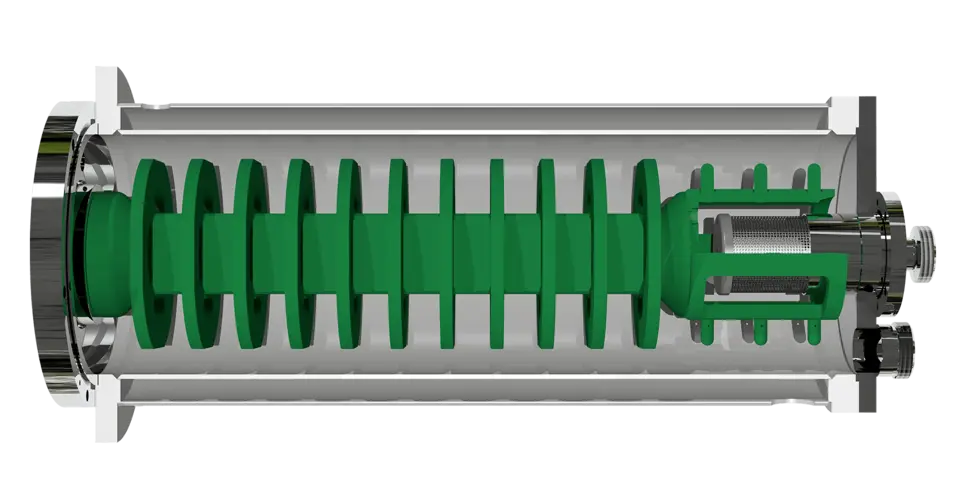
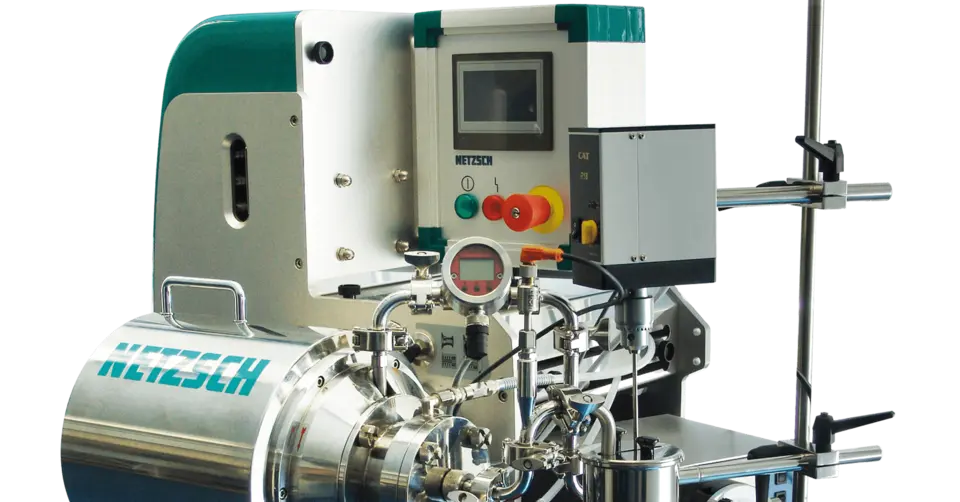
Mixing and De-Aerating
Products & Solutions in the field of Mixing and De-Aerating

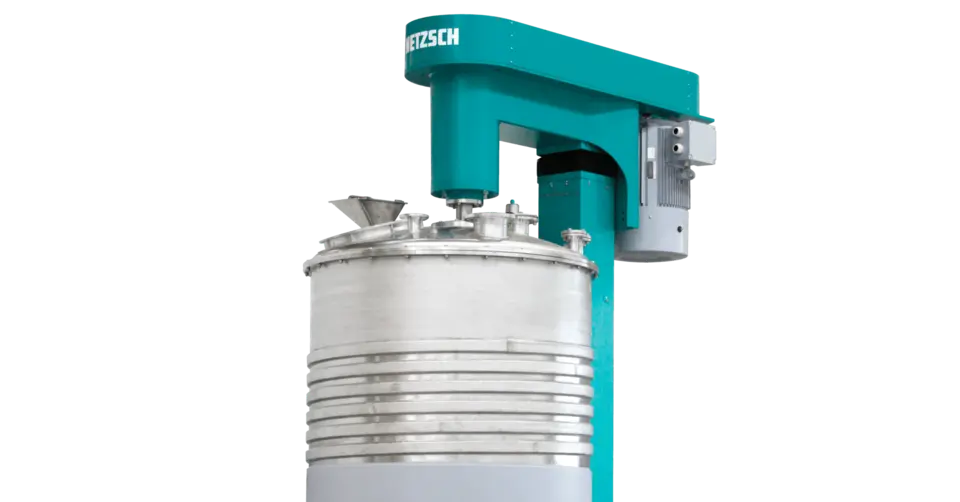
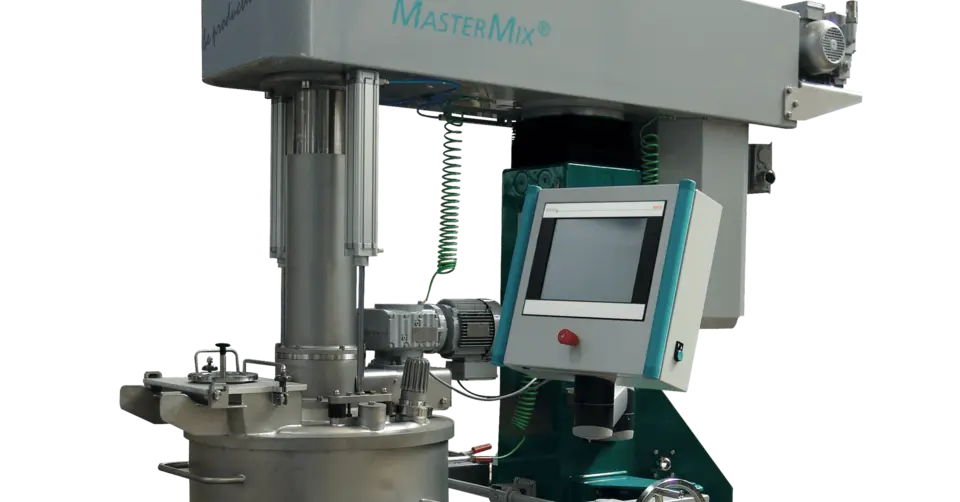
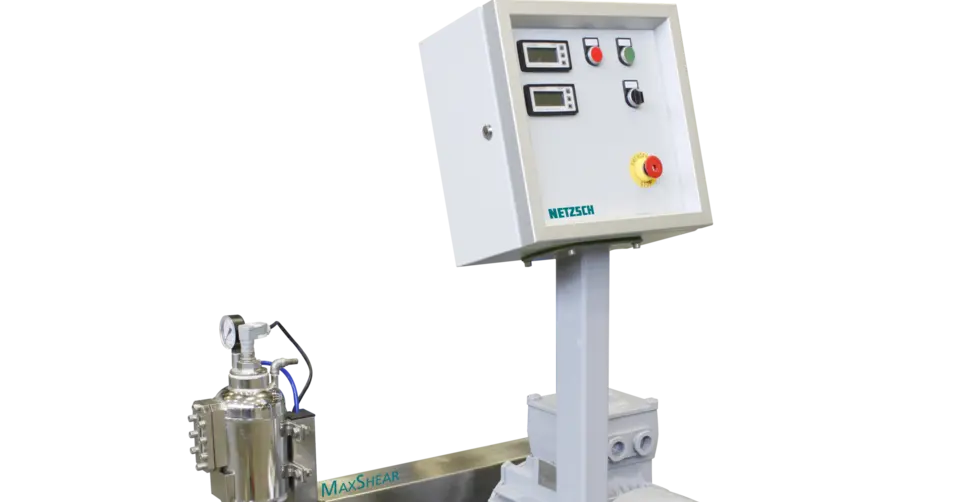

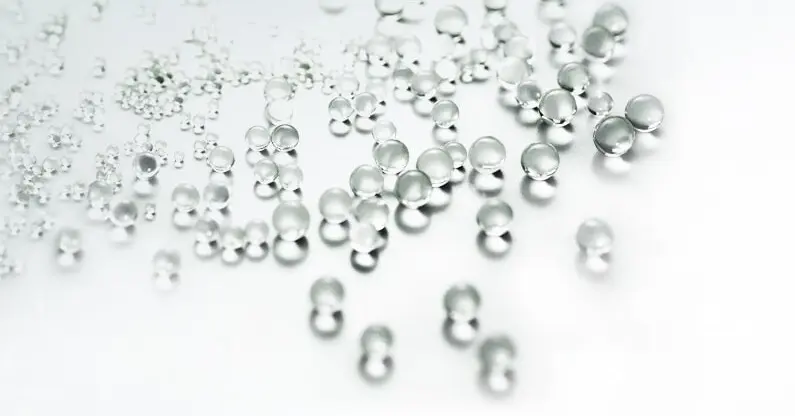
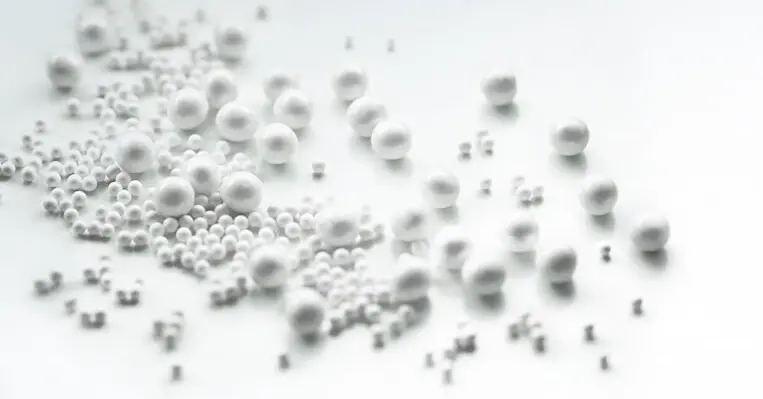
NETZSCH-Beads®
Products & Solutions in the field of NETZSCH-Beads®