Protein Shifting
A New Chapter in the Future of Nutrition
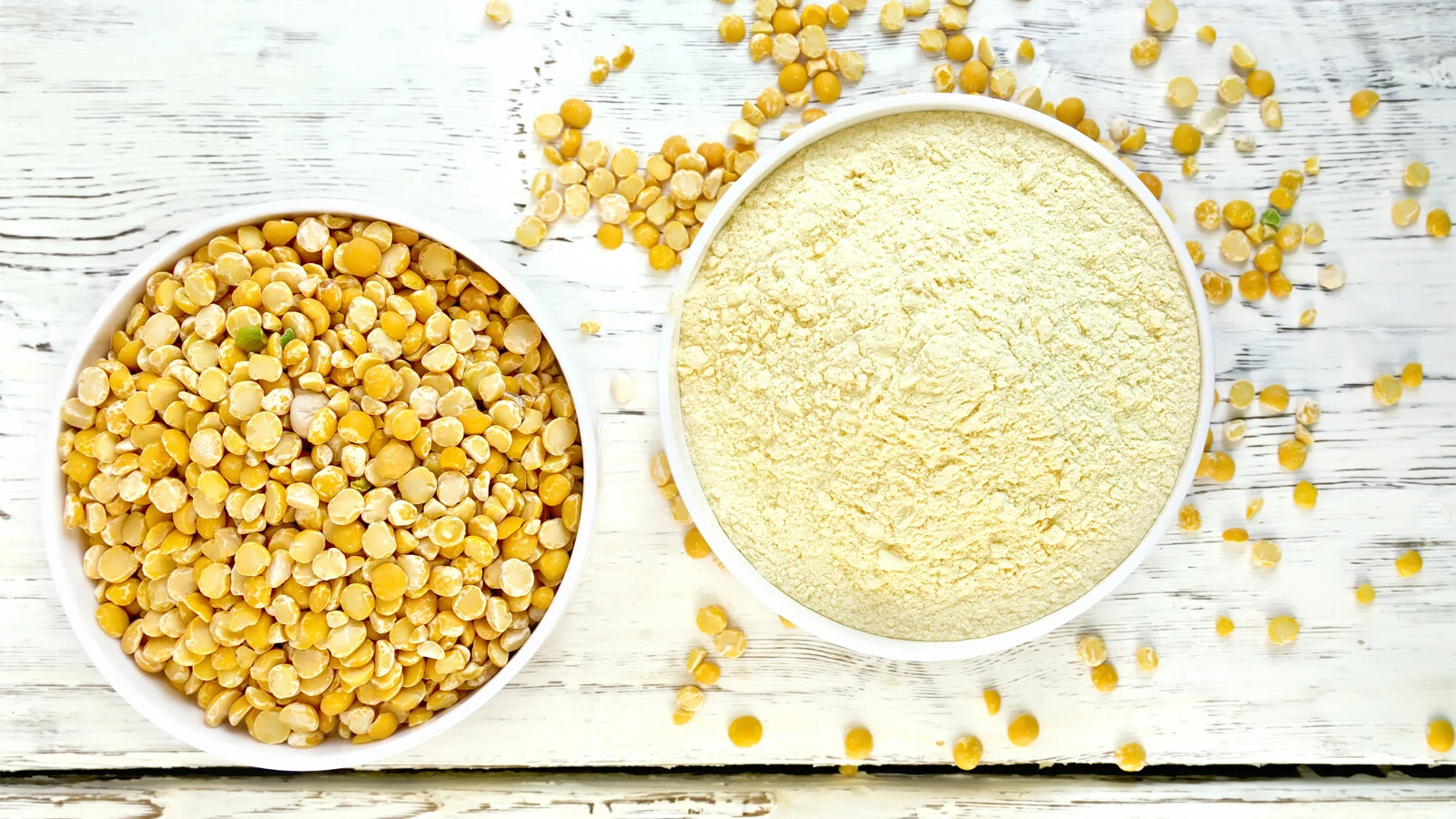
Plant proteins are considered key building blocks for a sustainable food future. Whether from peas, fava beans, lentils, rice, oats, or sunflower seeds – they all offer the potential to produce high-quality protein components for meat alternatives, dairy substitutes, or functional food ingredients.
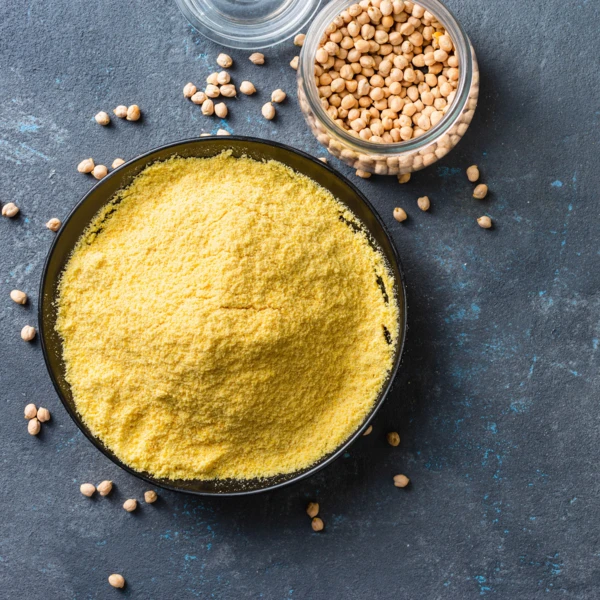
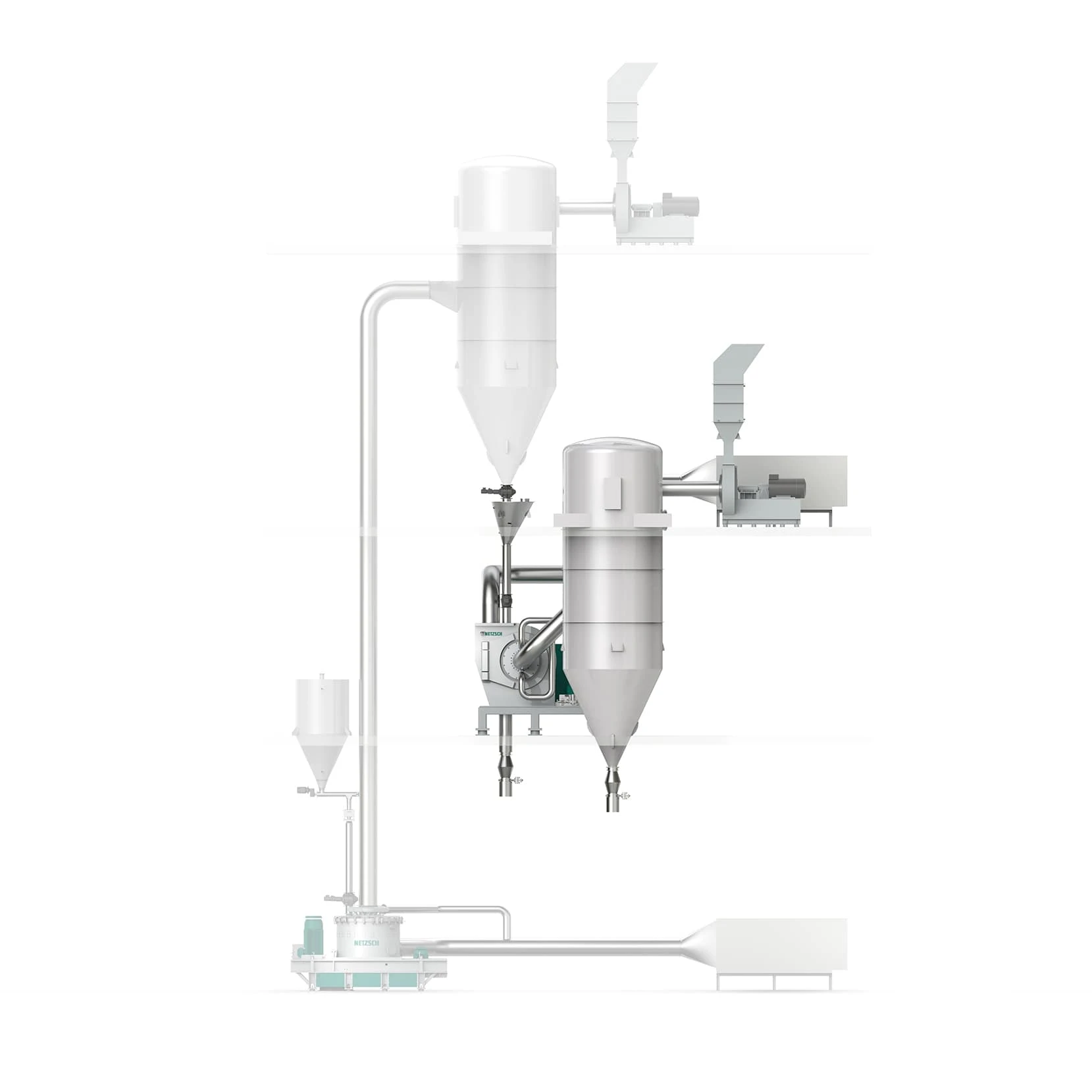
To unlock this potential, the processing must be tailored, gentle, and cost-efficient. NETZSCH offers modular system solutions that are precisely adapted to the requirements of each raw material. Our dry grinding systems deliver consistent fineness with minimal energy input – from laboratory scale to industrial production. In combination with NETZSCH Fine Classifiers, protein and fiber fractions can be separated and enriched with precision.
Our solutions allow for a high protein yield while maintaining functional properties – critical for applications in texture, emulsification, or nutritional enhancement. The robust, easy-to-clean design of our systems meets the highest hygiene standards and ensures maximum process reliability – even for sensitive raw materials.

Request a Quote
Your process, our strength
From cleaning to extrusion - reaching the goal together
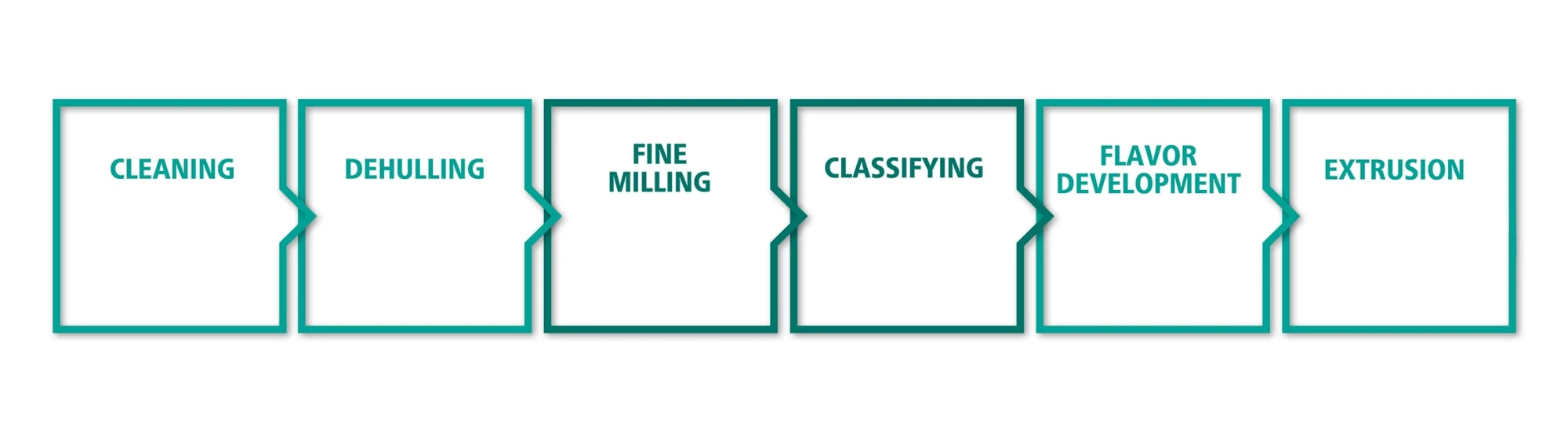
Application Example Legumes
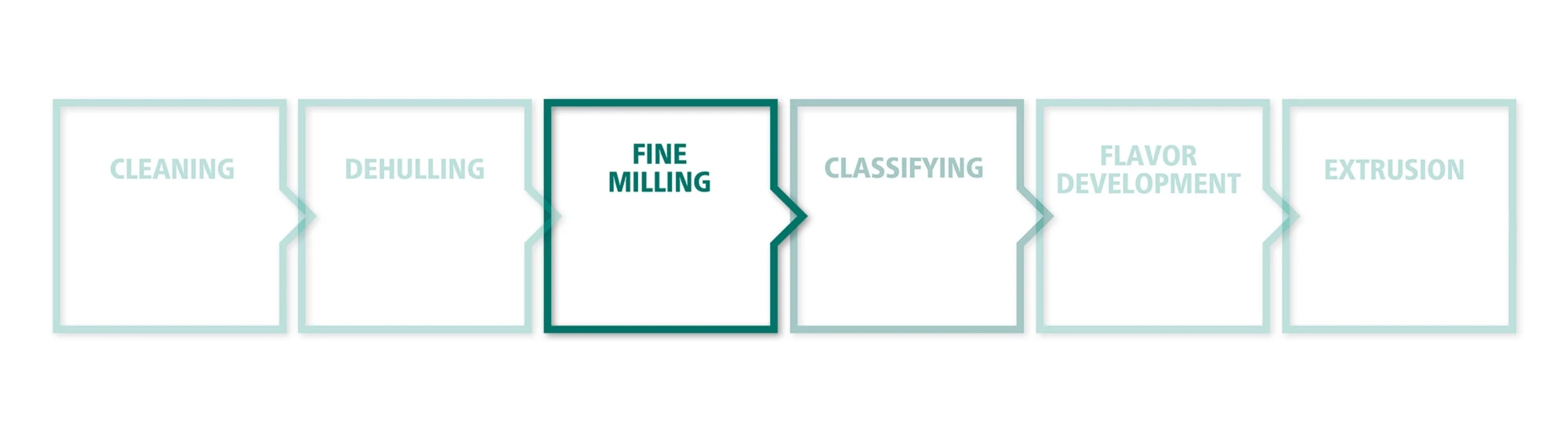
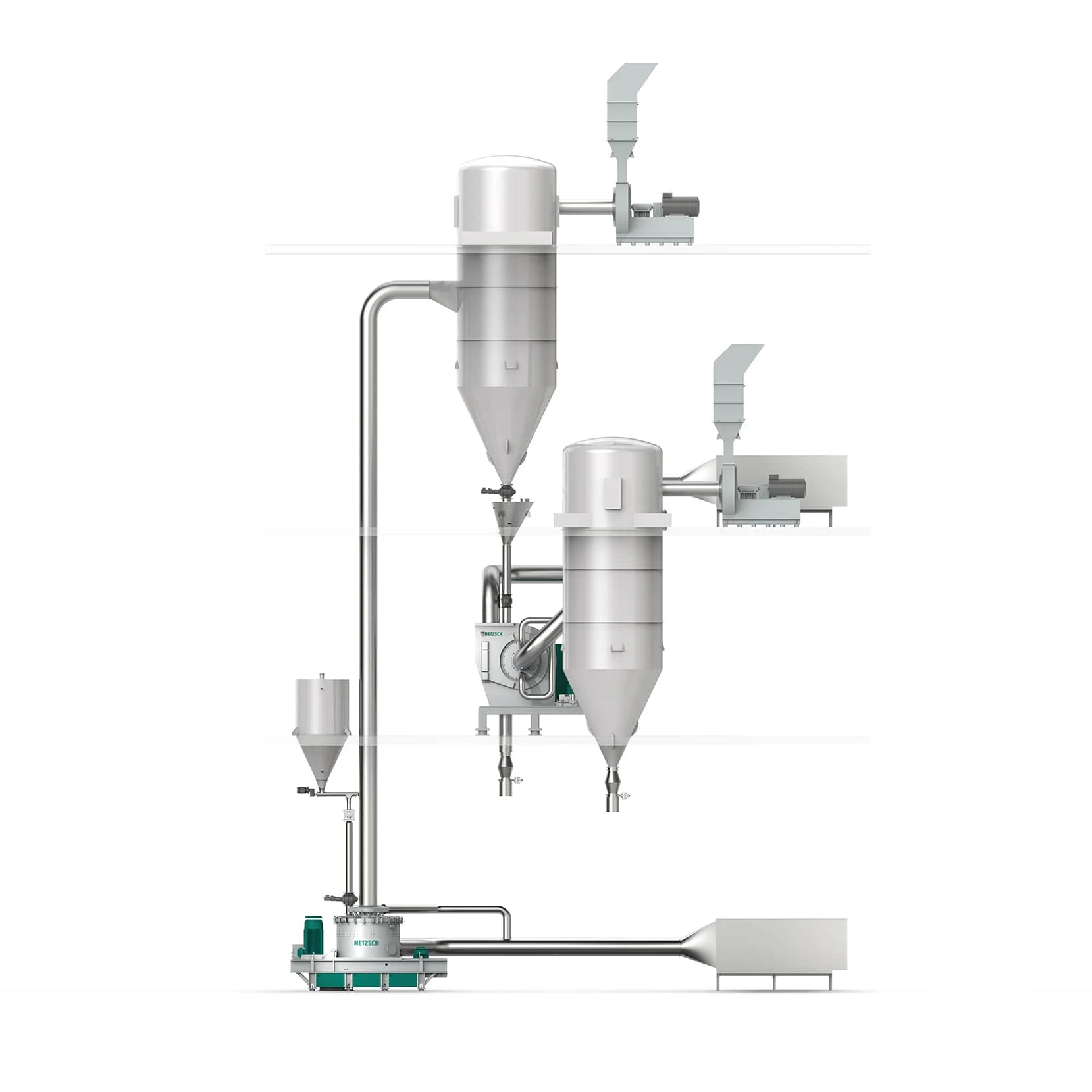
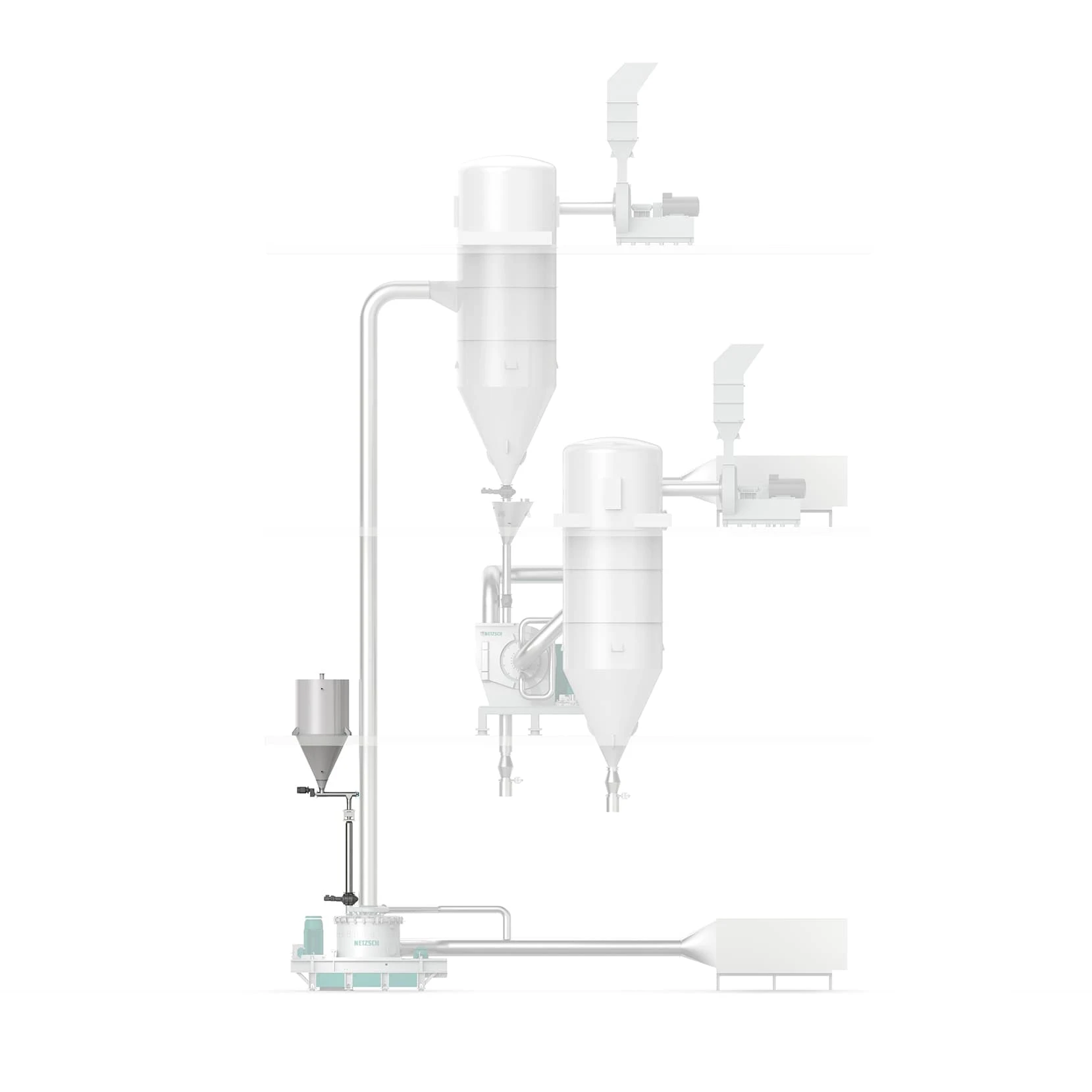
Processing step 1 – Production of refined flour
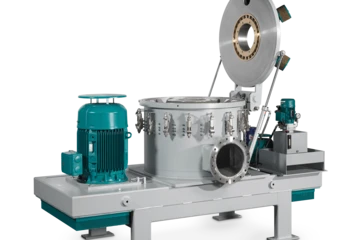
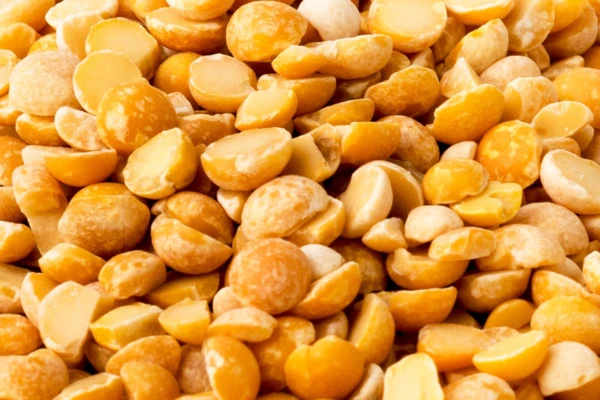
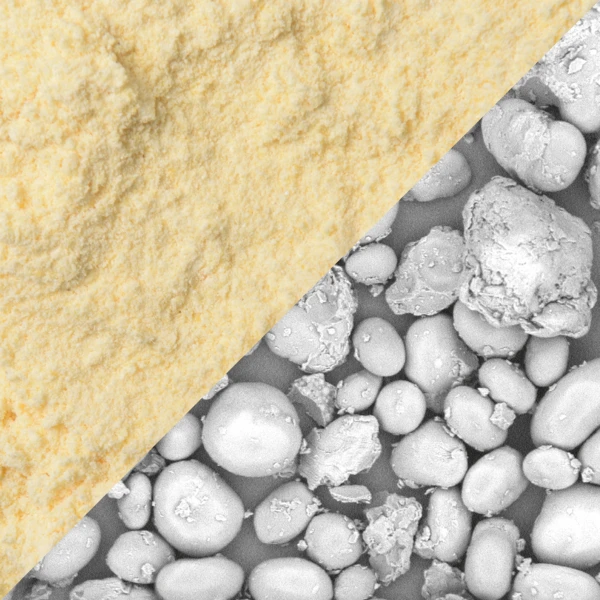
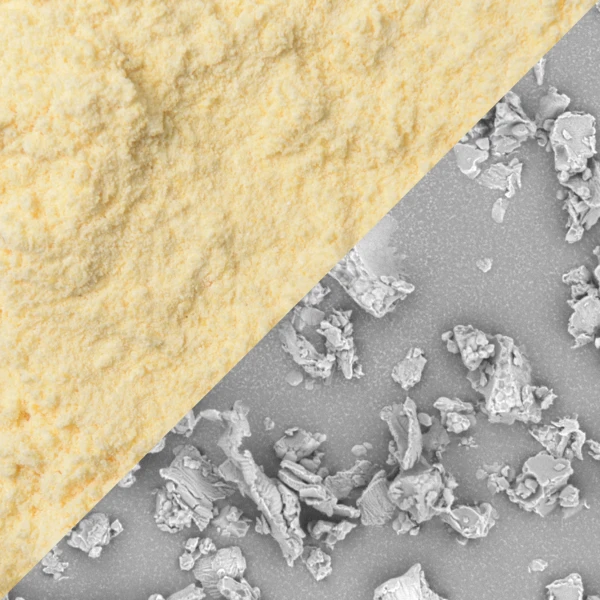
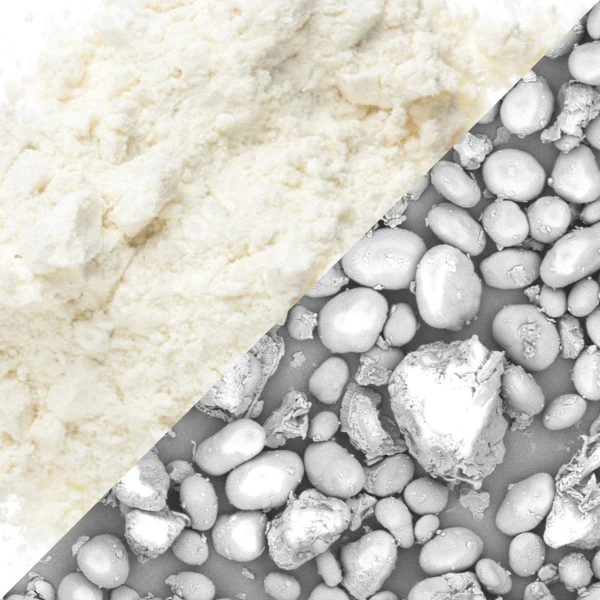
Ideally the cleaned legumes are dehulled prior to the protein shifting process to a residual portion of < 1 %. The refining serves to break the cell structure and to isolate the relatively large starch granules from the smaller protein granules. Depending on the product, the proteins have a particle size of < 3 µm, whereas the starch granules range from 3 to 40 µm.
Most important for the subsequent separation, is that during grinding, the difference in size between the protein and starch granules remains as large as possible. Care must be taken to not damage the starch granules in the process. The most effective and gentle way to achieve this is through impact grinding in a Classifier Mill, model CSM.
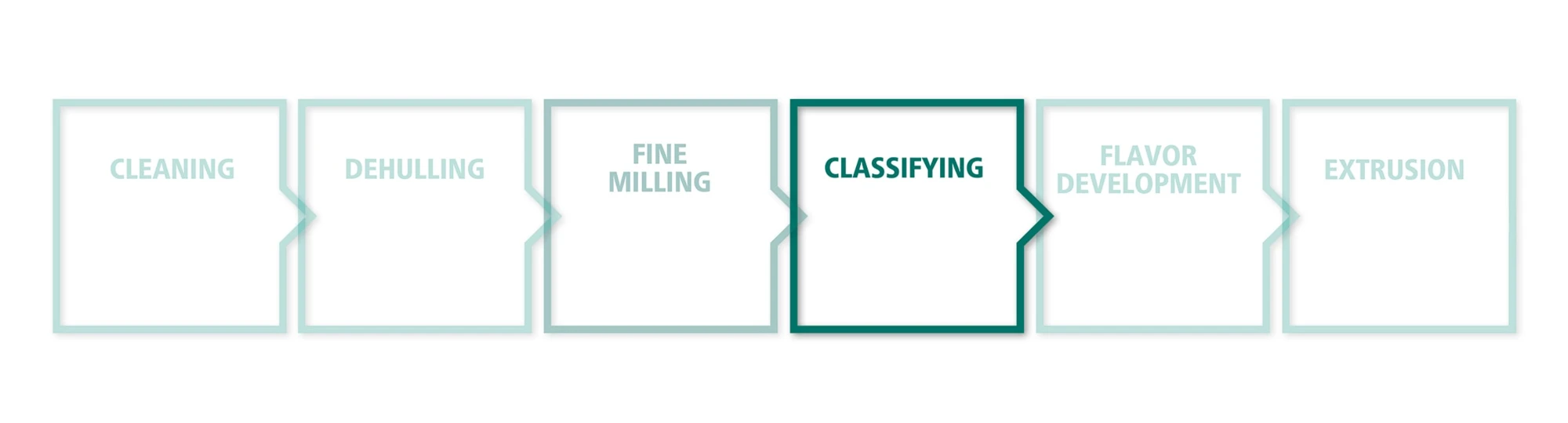
Processing step 2 – Efficient separation using a High-efficiency Classifier, model CFS/HD-S
The resulting refined flour has a particle size between 40 and 70 µm and is then separated into a high-protein and low-protein fraction. This is a range that brings conventional sifting to its limits. For this reason, the fractioning for protein shifting is carried by dynamic air classifiers.
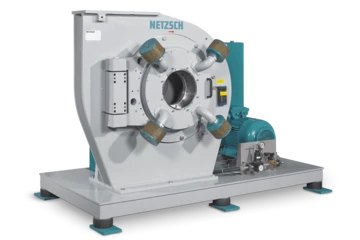
The High-Efficiency Fine Classifier, model CFS/HD-S is used to achieve the highest yields with a minimal loss of protein in the high-starch fraction.
As opposed to conventional classifiers, this classifier is highly compact and is equipped with a guide vane cage for most efficient dispersion and separation – the decisive advantages when viewing the economics of protein enrichment!

Gentle processing
High product quality
Reduced consumption of resources
Do you have any questions?
FAQ
Application Literature
Our Partnerships
Joining forces to deliver complete process solutions for protein shifting