Energy Solutions
Anode and Cathode Materials
One option for the synthesis of cathode and anode materials is the so-called solid-state process. In this process route, the active material is created from the raw materials through a chemical transformation in suitable furnaces. Depending on the raw materials used, a wet grinding stage with dry pre-grinding processes can be required for the raw materials prior to the synthesis.
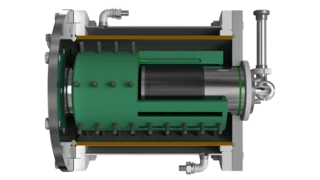
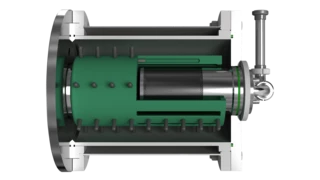
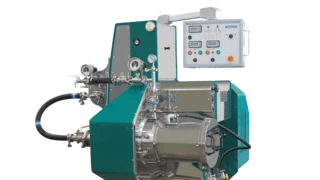
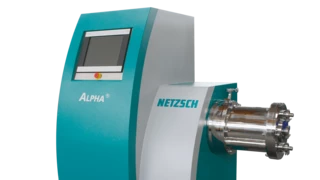
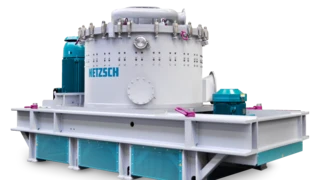
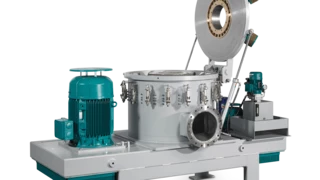
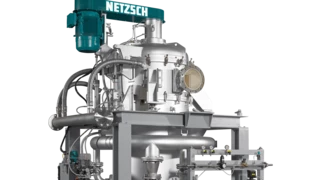
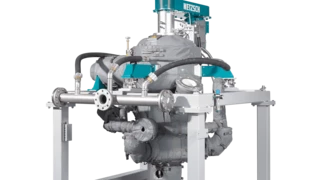
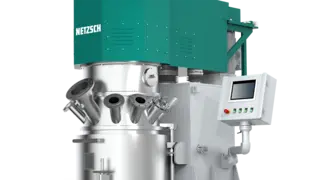
The CGS and s-Jet® fluidized bed jet mills can be used for the dry grinding. For the wet grinding, the Zeta®, Neos or Zeta® RS agitator bead mills are used, depending on the required target fineness. Synthesis via a furnace process can result in the formation of undesired agglomerates. In order to separate these, a dry dispersion with a CSM classifier mill is usually carried out after the synthesis furnace, without change of the original size and shape of primary particles.
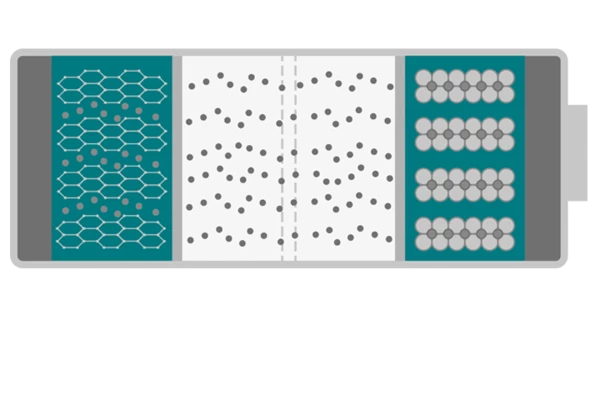
Los compuestos típicos para materiales catódicos son:
- LCO (óxido de litio y cobalto, LiCoO2)
- NCA (óxido de litio, níquel, cobalto y aluminio, LiNiCoAlO2)
- NMC (óxido de litio, níquel, manganeso y cobalto, Li[NiCoMn]O2)
- LMO (óxido de litio y manganeso, LiMn2O4)
- LFP (fosfato de litio y hierro, LiFePO4)
- La lámina conductora suele ser de aluminio
Algunos ejemplos de materiales activos para ánodos son:
- Carbono amorfo
- Grafito
- Titanato de litio (LTO, Li4Ti5O12)
- Materiales metálicos para ánodos (silicio, estaño)
- La lámina conductora suele ser de cobre.